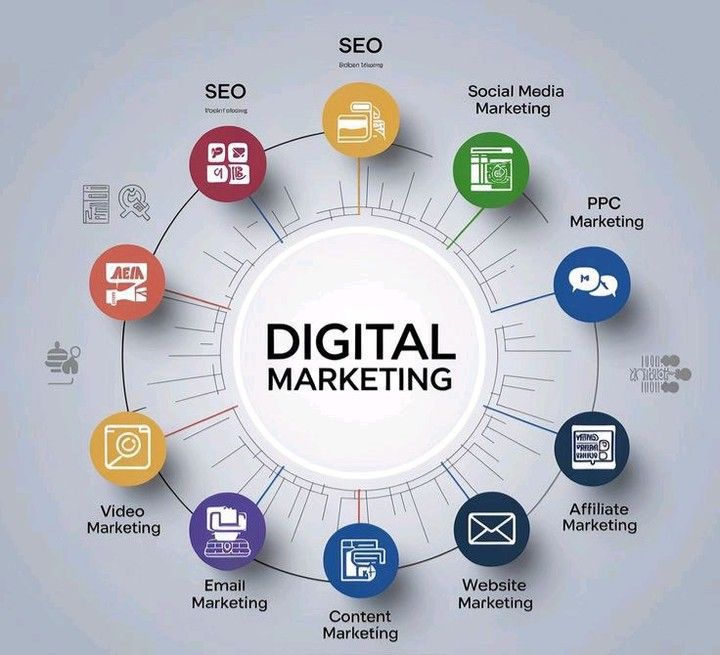
In 2026, digital marketing is no longer optional — it is the engine that powers business growth. Whether you're a startup building brand awareness or an established company looking to scale revenue, a well-crafted digital marketing strategy is the difference between stagnating and thriving.
This comprehensive guide walks you through every pillar of a winning digital marketing strategy, from understanding your audience to measuring results. If you want to attract more customers, build a loyal following, and grow your bottom line, this is your roadmap.
What Is a Digital Marketing Strategy?
A digital marketing strategy is a structured plan that defines who you're targeting, what message you're communicating, which channels you'll use, and how you'll measure success. Without a strategy, digital marketing becomes scattered spending with unpredictable results.
A solid strategy aligns every marketing activity — from a single social media post to a comprehensive SEO campaign — toward specific, measurable business outcomes like leads generated, revenue earned, or customers acquired.
Step 1: Define Your Business Goals and KPIs
Every effective strategy begins with crystal-clear goals. Vague goals like "grow our social media" produce vague results. Specific goals produce specific outcomes.
Use the SMART framework:
- Specific: "Generate 50 qualified leads per month from digital channels"
- Measurable: Track leads in CRM, measure conversion rates
- Achievable: Based on current traffic and conversion benchmarks
- Relevant: Tied directly to revenue and sales pipeline
- Time-bound: "Within 90 days of strategy implementation"
Common digital marketing goals include: increasing website traffic, generating leads, improving conversion rates, growing email lists, enhancing brand awareness, and boosting customer retention.
Step 2: Know Your Target Audience Deeply
The most sophisticated campaign will fail if it targets the wrong people. Creating detailed audience personas is non-negotiable. Each persona should capture:
- Demographics (age, gender, location, income, job title)
- Psychographics (values, interests, challenges, motivations)
- Online behavior (platforms used, search habits, content preferences)
- Pain points and goals related to your product or service
- Buying triggers and objections
The more specific your personas, the more precisely you can craft messaging that resonates and converts.
Step 3: Audit Your Current Digital Presence
Before investing in new strategies, assess what's already working. A digital audit covers:
- Website performance — Speed, mobile-friendliness, conversion rates, and UX issues
- SEO health — Current rankings, keyword gaps, technical issues, and backlink profile
- Social media presence — Follower growth, engagement rates, content performance
- Email marketing — List size, open rates, click rates, and segmentation quality
- Paid advertising — Current ad spend, ROI, and campaign performance
The 7 Core Pillars of Digital Marketing
1. SEO (Search Engine Optimization)
Optimize your website to rank higher in search results, driving free organic traffic from people actively searching for your solutions. Long-term, compounding ROI.
Learn about our SEO services →2. Social Media Marketing
Build communities, increase brand awareness, and engage your audience across Facebook, Instagram, LinkedIn, Twitter/X, and TikTok with targeted content strategies.
3. Pay-Per-Click (PPC) Advertising
Instant, targeted visibility on Google, Facebook, and LinkedIn. Drive specific audiences to landing pages with measurable ROI and full budget control.
4. Email Marketing
The highest ROI channel in marketing (avg 42x return). Nurture leads, retain customers, and drive repeat sales through automated email sequences.
5. Content Marketing
Build authority, improve SEO, and educate your audience with blogs, case studies, videos, infographics, and guides that attract and convert prospects.
6. Analytics & Data
Track every metric that matters. Use Google Analytics, Search Console, and CRM data to measure performance, identify opportunities, and optimize campaigns.
Step 4: Build Your Content Strategy
Content is the fuel that powers every digital marketing channel. Without valuable content, SEO has nothing to rank, social media has nothing to share, and email has nothing to send. A winning content strategy includes:
- SEO-optimized blog posts — Target high-intent keywords that your customers search for
- Case studies and testimonials — Build trust by showcasing proven results
- How-to guides and tutorials — Demonstrate expertise and solve customer problems
- Video content — YouTube is the world's second-largest search engine; video builds trust faster than text
- Email newsletters — Regular value delivery keeps your brand top-of-mind
Content marketing works best as a long-term strategy. The compounding effect of consistent, quality content means each piece you publish continues driving traffic and leads for months and years.
Step 5: Choose Your Channels Strategically
Not every business needs to be on every platform. Channel selection depends on where your audience spends time and what types of content perform best in your industry:
- B2B businesses: LinkedIn, Google Ads, email marketing, long-form content
- B2C / Retail: Instagram, Facebook, TikTok, Google Shopping ads
- Service businesses: Google Ads (local), Facebook, SEO-optimized website, WhatsApp
- Tech companies: LinkedIn, Twitter/X, Google Ads, blog/content, YouTube
Step 6: Execute and Measure
Strategy without execution is just planning. Build a content calendar, set ad budgets, launch campaigns, and most importantly — measure everything. Key metrics to track:
- Website traffic — Sessions, users, page views, bounce rate
- Lead generation — Form submissions, calls, chat inquiries
- Conversion rate — Percentage of visitors who take desired action
- Cost per acquisition (CPA) — How much it costs to acquire one customer
- Return on ad spend (ROAS) — Revenue generated per advertising dollar
- Customer lifetime value (CLV) — Total revenue from an average customer relationship
How Zurihub Technology Powers Your Digital Marketing
Our digital marketing services include comprehensive strategy development, social media management, SEO optimization, PPC campaign management, content creation, and analytics reporting. We don't just execute tactics — we build integrated strategies that drive measurable business growth.
Combined with our professional website development and SEO services, we deliver a complete digital presence that attracts, engages, and converts your ideal customers.
Frequently Asked Questions

Zurihub Technology Team
Digital marketing experts and web developers helping businesses across Africa build powerful online presences that drive measurable growth.