Custom ERP System Development

Unify your finance, HR, inventory, procurement, and operations into one powerful enterprise platform — custom-built to drive efficiency and growth across your entire organization.

What Is an ERP System?

Enterprise Resource Planning (ERP) is a comprehensive software platform that integrates all core business functions — finance, human resources, supply chain, inventory, sales, procurement, and more — into one unified system with a single source of truth.

At Zurihub Technology, we develop custom ERP solutions that eliminate data silos, automate cross-departmental workflows, and give decision-makers real-time visibility into every aspect of the business. Unlike off-the-shelf ERPs that force you to adapt, our solutions are built around your existing processes.

Whether you are a growing SME needing core financial and inventory modules or a large enterprise requiring a full-suite ERP with manufacturing, HR, and project management, we design scalable architectures that grow with your business.
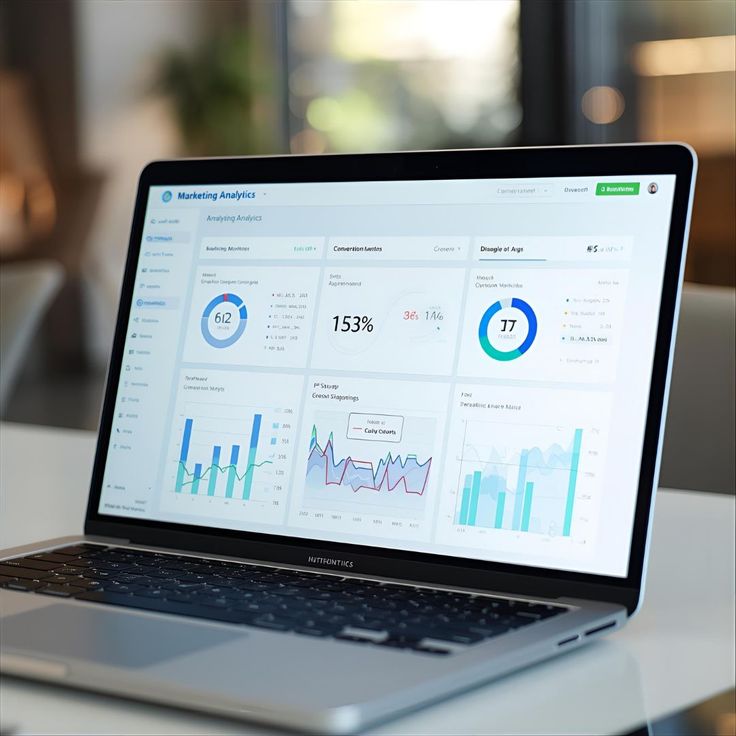

Custom ERP system development by Zurihub Technology

How We Implement Your ERP

Our structured ERP implementation methodology minimizes disruption while delivering measurable value at every phase.

1

Enterprise Assessment

We audit your current systems, workflows, pain points, and goals across every department to design a comprehensive ERP blueprint.

2

Module Architecture & Design

We define module specifications, data models, integration points, and user interfaces based on your departmental requirements.

3

Phased Development

We build in phases — starting with core modules (finance, inventory) and progressively adding HR, procurement, CRM, and custom modules.

4

Data Migration & Integration

Careful migration of historical data from legacy systems and integration with existing tools to ensure business continuity.

5

UAT & Phased Rollout

User acceptance testing with key stakeholders, followed by a phased department-by-department rollout to minimize operational disruption.

6

Training & Continuous Improvement

Role-based training programs, ongoing support, performance monitoring, and iterative enhancements based on user feedback.

ERP implementation process

Powerful ERP Modules & Features

Our ERP systems are modular — choose the capabilities your business needs today and add more as you grow.

Financial Management

General ledger, accounts payable/receivable, budgeting, cash flow management, multi-currency support, tax compliance, and automated financial reporting.

HR & Payroll

Employee records, recruitment, attendance tracking, leave management, payroll processing with NHIF/NSSF/PAYE compliance, and performance evaluations.

Inventory & Warehouse

Multi-warehouse stock management, barcode tracking, automated reorder points, batch/serial tracking, stock transfers, and real-time inventory valuation.

Procurement & Supply Chain

Purchase requisitions, supplier management, RFQ processing, purchase orders, goods receipt, vendor evaluation, and procurement analytics.

Sales & CRM Module

Integrated CRM capabilities with sales orders, quotation management, customer tracking, pipeline visualization, and revenue forecasting.

Business Intelligence

Executive dashboards, custom report builders, KPI tracking, trend analysis, predictive insights, and data export for strategic decision-making.

Why It Matters

Why Your Business Needs an ERP System

Organizations using ERP systems report 23% lower operational costs and 22% reduction in administrative overhead. Here is why ERP is essential for growth.

Eliminate Data Silos

Unify data from finance, HR, inventory, and sales into one platform so every department works from the same source of truth.

Automate Business Processes

Replace manual workflows with automated processes across procurement, approvals, invoicing, and reporting — saving hours every day.

Real-Time Visibility

Get instant visibility into cash flow, stock levels, employee performance, and sales metrics through executive dashboards updated in real time.

Reduce Operational Costs

Streamlined processes, reduced duplication, and automated workflows cut administrative overhead by up to 23% on average.

Compliance & Audit Ready

Built-in compliance features for KRA, NHIF, NSSF, and industry regulations with complete audit trails for every transaction.

Scale With Confidence

Modular architecture lets you add departments, users, branches, and new capabilities as your organization expands.

ERP Solutions Across Industries

We have implemented ERP systems for organizations spanning manufacturing, retail, healthcare, education, and professional services.

Manufacturing

Production planning, BOM, quality control

Learn More →

Retail & Distribution

Multi-store management, supply chain optimization

Learn More →

Hospitality

Multi-property, F&B, housekeeping integration

Learn More →

Education

Student management, fees, timetabling

Learn More →

What You Need Before an ERP Project

Successful ERP implementations start with proper preparation. Here is what to have ready.

Documented Business Processes

Map your current workflows across finance, HR, inventory, procurement, and sales so we can design the ERP around your actual operations.

Stakeholder Buy-In

ERP success requires commitment from leadership and department heads. Identify champions in each department to drive adoption.

Current System Inventory

List all software tools currently in use (spreadsheets, accounting tools, HR systems) and data that needs to be migrated or integrated.

Module Priority List

Rank which modules are most urgent (e.g., finance first, then inventory, then HR) to plan a phased rollout strategy.

User & Role Definitions

Define all user roles, departments, approval hierarchies, and access levels for a secure, well-structured ERP environment.

Budget & Timeline Expectations

Set realistic budget and timeline expectations. ERP is a strategic investment — plan for phased delivery with clear milestones.

Expected Outcomes

The measurable impact businesses experience after implementing a Zurihub ERP system.

23%

Lower operational costs through process automation

40%

Faster reporting and decision-making cycles

100%

Audit-ready with complete transaction trail

1

Single source of truth for all business data

Frequently Asked Questions

Common questions about ERP system development and implementation.

Basic ERP systems with core modules (finance, inventory) start from KES 150,000. Mid-range solutions with HR, procurement, and CRM start from KES 200,000. Enterprise-grade ERPs with manufacturing, BI, and custom modules range from KES 700,000+. We provide transparent, detailed quotes based on your specific requirements.
Implementation timelines depend on scope. Core modules (finance, inventory) can be deployed in 3-4 months. A mid-range ERP with 4-6 modules takes 4-8 months. A full enterprise ERP with all modules and complex integrations takes 6-12 months. We use phased rollouts to deliver value early while continuing to build additional modules.
Yes, our ERP systems integrate with accounting software (QuickBooks, Sage), CRM platforms, POS systems, payment gateways (M-Pesa), HR tools, email systems, and any platform with an API. We design integrations that preserve your existing workflows while adding ERP capabilities.
Cloud ERP offers lower upfront costs, automatic updates, remote access, and reduced IT overhead. On-premise provides full data sovereignty, deeper customization, and no recurring subscription fees. Many clients choose hybrid approaches. We analyze your security requirements, budget, IT infrastructure, and growth plans to recommend the optimal deployment model.
We build modules for Financial Management, HR & Payroll, Inventory & Warehouse, Procurement & Supply Chain, Sales & CRM, Manufacturing & Production, Project Management, Asset Management, Document Management, and Business Intelligence. We also develop custom modules for industry-specific needs like healthcare, education, and real estate.
Yes, we provide comprehensive role-based training programs for all user levels — from data entry staff to executive dashboard users. Training includes hands-on sessions, detailed documentation, video tutorials, and quick-reference guides. Our ongoing support packages include dedicated account managers, guaranteed response times, regular system health checks, and continuous improvement recommendations.

Ready to Unify Your Business Operations?

Get a free ERP consultation and discover how an integrated enterprise platform can transform your operational efficiency and drive growth.