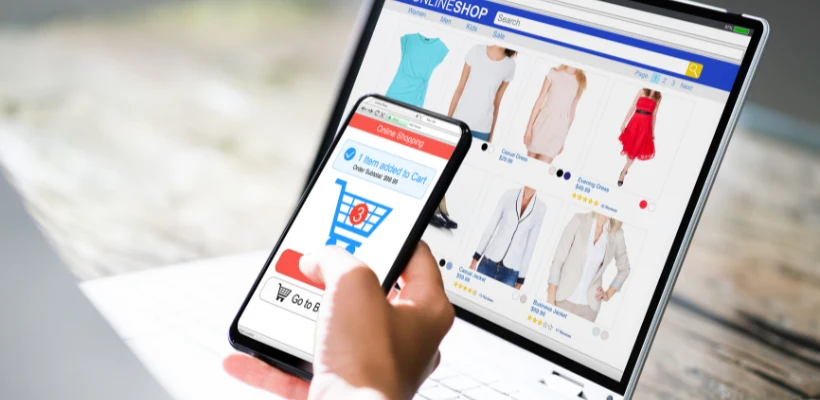
Ecommerce has fundamentally changed how the world does business. In Kenya alone, online retail is growing at over 25% annually, driven by increasing internet penetration, mobile money adoption, and changing consumer behavior. Whether you are a retailer looking to expand online, an entrepreneur starting from scratch, or a manufacturer selling direct to consumers, this guide covers everything you need to build and grow a thriving online store.
Why Sell Online?
Before diving into the how, let us understand the why. Selling online offers advantages that physical retail simply cannot match:
- Unlimited reach: Sell to customers anywhere — across Kenya, East Africa, or globally — without physical store limitations.
- 24/7 availability: Your online store never closes. Customers can browse and purchase at any time.
- Lower overhead: No rent, fewer staff, reduced utility costs compared to a physical store.
- Data-driven decisions: Digital analytics give you deep insight into customer behavior, preferences, and buying patterns.
- Scalability: Grow from 10 to 10,000 orders without proportional cost increases.
- Personalization: Deliver personalized product recommendations and shopping experiences based on customer data.
Step 1: Choose Your Ecommerce Model
Before building your store, determine which ecommerce model suits your business:
- B2C (Business to Consumer): Selling directly to end consumers — the most common ecommerce model. Examples include clothing stores, electronics shops, and food delivery.
- B2B (Business to Business): Selling products or services to other businesses. Often involves bulk orders, negotiated pricing, and longer sales cycles.
- Marketplace: A platform where multiple sellers list products — like Jumia, Amazon, or Etsy. You can sell on existing marketplaces or build your own.
- Dropshipping: You sell products without holding inventory. When an order comes in, you purchase from a supplier who ships directly to the customer.
- Subscription: Recurring deliveries of products or access to services. Predictable revenue and strong customer retention.
Step 2: Select Your Ecommerce Platform
Your platform choice is one of the most important decisions. Here are the main options:
Shopify
The most popular hosted ecommerce platform. Shopify handles hosting, security, and technical maintenance while you focus on selling. It offers thousands of themes, a robust app marketplace, and excellent uptime. Best for businesses that want simplicity and speed to market. Zurihub Technology's Shopify development services can help you build a professional, customized store.
WooCommerce (WordPress)
A free, open-source ecommerce plugin for WordPress. Offers maximum flexibility and thousands of extensions. Best for businesses that already have WordPress websites or want full control over their platform. Requires more technical knowledge to manage. Our WordPress development team specializes in WooCommerce implementations.
Custom-Built Ecommerce
For businesses with unique requirements that off-the-shelf platforms cannot meet, a custom ecommerce solution provides complete flexibility. Custom platforms are built to your exact specifications — unique checkout flows, complex pricing models, advanced inventory systems, and deep integrations with existing business software. Higher upfront cost but no platform limitations or ongoing subscription fees. Read our detailed comparison of Shopify vs. custom websites.
Step 3: Set Up Payment Integration
In Kenya and East Africa, payment integration requires supporting local payment methods alongside international options:
- M-Pesa: The most widely used mobile money platform in Kenya. Integration via Safaricom's Daraja API, Pesapal, or IntaSend is essential for any Kenyan ecommerce store.
- Card payments: Accept Visa, Mastercard, and American Express through gateways like Pesapal, Flutterwave, or Stripe.
- Bank transfers: Offer direct bank transfer options for larger B2B transactions.
- Cash on delivery (COD): Still popular in Kenya, especially for first-time online buyers who want to inspect products before paying.
- Buy now, pay later: Emerging options like Lipa Later that let customers pay in installments.
Your payment integration must be secure (PCI-DSS compliant), reliable, and provide a seamless checkout experience. Every extra step in the checkout process increases cart abandonment — aim for minimal friction.
Step 4: Design for Conversion
Your ecommerce website design directly impacts sales. Key principles for high-converting online stores:
- Mobile-first design: Over 70% of ecommerce traffic in Kenya comes from mobile devices. Your store must be flawless on small screens.
- Fast loading speed: Every second of load time reduces conversions by 7%. Optimize images, use CDNs, and minimize code bloat.
- Professional product photography: High-quality images from multiple angles with zoom capability. Include lifestyle shots showing products in use.
- Compelling product descriptions: Clear, benefit-focused descriptions that address customer questions and objections.
- Trust signals: Customer reviews, security badges, return policies, and clear contact information.
- Simplified checkout: Guest checkout option, minimal form fields, progress indicators, and multiple payment methods.
- Clear navigation: Intuitive categories, search functionality with filters, and easy-to-find cart access.
Step 5: Implement Ecommerce Marketing
Building a store is only half the battle — driving traffic and converting visitors into customers requires strategic marketing:
SEO for Ecommerce
Optimize product pages, category pages, and blog content for search engines. Ecommerce SEO involves keyword-optimized product titles and descriptions, schema markup for rich snippets, clean URL structures, and a content strategy that targets buyer-intent keywords. Read our complete SEO guide for more details.
Social Media Marketing
Leverage platforms where your target audience spends time. Instagram and TikTok are powerful for visual product marketing. Facebook remains strong for community building and targeted advertising. Platforms like Pinterest drive significant ecommerce traffic for fashion, home decor, and lifestyle products.
Email Marketing
Email remains the highest-ROI marketing channel for ecommerce. Essential email campaigns include: welcome series for new subscribers, abandoned cart recovery emails, post-purchase follow-ups, product recommendation emails, and seasonal promotional campaigns.
Paid Advertising
Google Shopping ads, Facebook and Instagram ads, and retargeting campaigns can drive immediate traffic while your organic strategies build momentum. Start with a small budget, test different audiences and creatives, and scale what works. A comprehensive digital marketing strategy combines paid and organic channels for maximum impact.
Step 6: Manage Logistics and Fulfillment
Reliable delivery is critical for ecommerce success in Kenya. Consider these logistics options:
- In-house fulfillment: Packing and shipping orders yourself. Best for small operations with manageable order volumes.
- Third-party logistics (3PL): Partnering with logistics companies for warehousing, packing, and delivery.
- Courier partnerships: Working with services like Sendy, Glovo, or established couriers for last-mile delivery.
- Pick-up points: Offering customer pick-up locations to reduce delivery costs and failed deliveries.
Step 7: Scale Your Online Store
Once your store is established, focus on growth:
- Expand product lines: Add complementary products based on customer purchase data.
- Improve customer lifetime value: Implement loyalty programs, subscriptions, and upselling strategies.
- Automate operations: Use custom software to automate inventory, order processing, and customer communication.
- Expand to new markets: Sell across borders to Uganda, Tanzania, Rwanda, and beyond.
- Integrate systems: Connect your ecommerce platform with your POS system, CRM, and accounting software for unified operations.
- Invest in website maintenance: Regular website maintenance ensures your store stays fast, secure, and up to date.