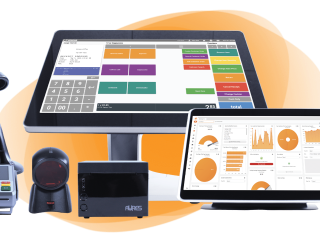
As businesses grow, managing operations across multiple departments using disconnected tools becomes increasingly unsustainable. Spreadsheets lose their effectiveness, data inconsistencies multiply, and manual processes consume valuable time. Enterprise Resource Planning (ERP) systems solve these challenges by integrating all core business functions into a single, unified platform. Whether you operate in manufacturing, retail, services, or any other industry, an ERP system can transform your operational efficiency and provide the data-driven insights you need to compete effectively.
What Is an ERP System?
An ERP system is integrated software that manages and connects core business processes in real time. Rather than having separate systems for accounting, inventory, human resources, procurement, and production, an ERP brings all these functions together into one cohesive platform with a shared database.
When a salesperson enters an order, the ERP automatically updates inventory levels, triggers procurement if stock is low, generates an invoice in accounting, schedules production if needed, and updates delivery timelines — all without manual intervention. This level of integration eliminates redundant data entry, reduces errors, and gives management real-time visibility into every aspect of the business.
How ERP Systems Work
Modern ERP systems are built on a modular architecture. Each module handles a specific business function, but all modules share a central database. Common ERP modules include:
- Financial management: General ledger, accounts payable/receivable, budgeting, financial reporting
- Human resources: Payroll, recruitment, attendance, performance management
- Inventory management: Stock tracking, warehouse management, demand forecasting
- Procurement: Purchase orders, vendor management, supplier evaluation
- Manufacturing: Production planning, shop floor control, quality management
- Sales and distribution: Order management, pricing, shipping, invoicing
- Customer relationship management: Contact management, sales pipeline, customer service
- Project management: Task tracking, resource allocation, milestone management
Businesses can implement the modules most relevant to their operations and add more as they grow. This modular approach makes ERP accessible to companies of all sizes, not just large enterprises.
Key Benefits of ERP Systems
1. Unified Data and Single Source of Truth
The most fundamental ERP benefit is data unification. Instead of departments maintaining separate databases that may conflict, an ERP ensures everyone works from the same accurate, up-to-date information. When finance, operations, and sales all see the same numbers, decision-making improves dramatically and costly errors from data inconsistencies are eliminated.
2. Process Automation
ERP systems automate repetitive manual tasks that consume employee time and introduce human error:
- Automatic invoice generation when orders are fulfilled
- Automated purchase orders when inventory falls below reorder points
- Payroll calculations based on attendance and HR data
- Financial reconciliation and period-end closing procedures
- Compliance reporting and audit trail generation
This automation frees your team to focus on strategic, value-adding activities rather than routine administrative tasks.
3. Real-Time Reporting and Business Intelligence
ERP systems provide real-time dashboards and reporting capabilities that give management instant visibility into business performance. Rather than waiting days or weeks for compiled reports, decision-makers can access current data on revenue, costs, inventory levels, production status, and customer metrics at any time. This real-time intelligence enables faster, better-informed decisions and quicker response to market changes.
4. Improved Scalability
A well-implemented ERP provides the infrastructure to scale your business efficiently. As you add new products, enter new markets, or increase your workforce, the ERP scales with you. New modules can be activated, new users added, and new processes configured without the fundamental operational disruption that comes from outgrowing disconnected systems.
5. Regulatory Compliance
ERP systems help businesses maintain compliance with regulatory requirements through built-in audit trails, standardized processes, and automated compliance reporting. For industries with strict regulatory requirements — such as manufacturing, healthcare, or financial services — this capability is invaluable in avoiding costly penalties and maintaining operational licenses.
6. Cost Reduction
While ERP requires significant upfront investment, it delivers substantial long-term cost savings through:
- Reduced administrative overhead from process automation
- Lower inventory carrying costs through better demand forecasting
- Elimination of redundant software licenses and maintenance fees
- Fewer costly errors from manual data entry and disconnected systems
- Improved negotiating power with suppliers through better procurement data
Industries That Benefit from ERP
ERP systems deliver value across virtually every industry, but certain sectors see particularly significant impact:
- Manufacturing: Production planning, shop floor control, quality management, and supply chain optimization. Our manufacturing management system is designed specifically for this sector.
- Retail: Inventory management, multi-channel sales, customer analytics, and supply chain coordination with POS system integration.
- Hospitality: Reservation management, revenue optimization, and operational coordination. Explore our hotel and restaurant management systems.
- Real estate: Property management, lease tracking, financial management, and tenant relations via our property management system.
- Professional services: Project management, resource allocation, time tracking, and client billing.
- Financial services: Regulatory compliance, risk management, and client portfolio management with our banking and loan system.
Cloud ERP vs On-Premise ERP
Today's ERP landscape offers two primary deployment models:
Cloud ERP is hosted on vendor servers and accessed via the internet. Advantages include lower upfront costs, automatic updates, accessibility from anywhere, and reduced IT maintenance burden. Cloud ERP is ideal for small to medium businesses and companies with distributed teams.
On-premise ERP is installed on your company's own servers. Advantages include greater customization control, data sovereignty, and potentially lower long-term costs for large deployments. On-premise is often preferred by large enterprises with complex requirements and dedicated IT departments.
Getting Started with ERP
Implementing an ERP is a major business decision. Here is a practical approach:
- Assess your current processes: Document existing workflows, pain points, and data flows across departments.
- Define requirements: Identify must-have features, integration needs, and future growth expectations.
- Evaluate options: Compare cloud vs. on-premise, out-of-the-box vs. custom-built solutions.
- Plan the implementation: Develop a phased rollout plan with clear milestones and success metrics.
- Prepare your team: Invest in change management and comprehensive training for all users.
- Migrate data carefully: Clean, validate, and test data before migration to avoid corrupting your new system.
Need an ERP system tailored to your business? Zurihub Technology's ERP solutions are custom-built to match your specific industry requirements and business workflows.