The modern retail landscape has evolved far beyond the simple cash register. Today's consumers expect fast checkout, multiple payment options, personalized experiences, and seamless service across physical and digital channels. A Point of Sale (POS) system is the technology backbone that makes this all possible. Whether you run a small boutique, a busy restaurant, or a multi-location supermarket chain, a modern POS system is no longer optional — it is essential for competitiveness and growth.
What Is a Modern POS System?
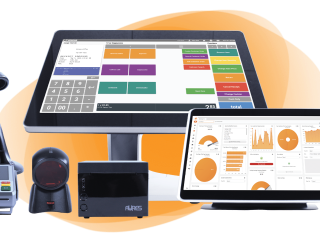
A modern POS system is far more than a payment terminal. It is an integrated business management platform that combines hardware (touchscreen terminals, barcode scanners, receipt printers, card readers) with sophisticated software that handles every aspect of retail operations.
Today's cloud-based POS systems process transactions, track inventory in real time, manage employees, analyze sales patterns, handle customer loyalty programs, and integrate with accounting software, ecommerce platforms, and supply chain tools. They operate on tablets, smartphones, and dedicated terminals, giving retailers flexibility in how and where they serve customers.
Key Benefits of POS Systems for Retail
1. Faster, More Efficient Checkout
Long checkout lines are a top reason customers abandon purchases and choose competitors. A modern POS system dramatically speeds up the checkout process through:
- Barcode scanning: Instantly pulls up product information and pricing — no manual entry.
- Multiple payment methods: Accept cash, credit/debit cards, mobile money (M-Pesa, Airtel Money), and digital wallets in seconds.
- Quick product lookup: Search products by name, category, or code when barcodes are unavailable.
- Automatic tax calculation: Eliminates manual tax computation errors and ensures compliance.
- Split payments: Allow customers to pay using multiple methods in a single transaction.
Faster checkout means shorter queues, happier customers, and more transactions processed per hour — directly improving your bottom line.
2. Real-Time Inventory Management
Inventory management is one of the biggest challenges in retail. Too much stock ties up capital; too little means lost sales. A POS system with integrated inventory management solves this by:
- Automatic stock updates: Every sale automatically reduces inventory counts in real time.
- Low stock alerts: Get notified when products fall below defined reorder points.
- Multi-location tracking: Monitor inventory across multiple stores or warehouses from a single dashboard.
- Stock transfer management: Track transfers between locations with full audit trails.
- Dead stock identification: Identify slow-moving items so you can run promotions or adjust purchasing.
- Purchase order generation: Automatically generate purchase orders based on stock levels and sales velocity.
3. Powerful Sales Analytics and Reporting
Data-driven decisions separate thriving retailers from struggling ones. A POS system captures rich transaction data and transforms it into actionable insights:
- Sales trends: Identify your best-selling products, peak hours, and seasonal patterns.
- Revenue tracking: Monitor daily, weekly, monthly, and yearly revenue with real-time dashboards.
- Employee performance: Track individual sales figures, transaction speeds, and customer ratings.
- Profit margin analysis: Understand which products and categories drive the most profit.
- Customer buying patterns: Analyze purchase frequency, basket size, and product preferences.
4. Enhanced Customer Experience
Modern POS systems help you deliver the personalized experiences that today's customers expect:
- Customer profiles: Store purchase history, preferences, and contact information for personalized service.
- Loyalty programs: Built-in loyalty point systems that reward repeat customers automatically.
- Targeted promotions: Run discounts and promotions targeted at specific customer segments.
- Digital receipts: Send receipts via email or SMS, reducing paper waste and building your customer database.
- Easy returns and exchanges: Process returns quickly with full transaction history at your fingertips.
5. Employee Management
POS systems include employee management features that help you optimize staff performance. Track clock-in/clock-out times, assign register permissions based on roles, monitor individual sales performance, and generate payroll reports. Role-based access ensures that sensitive functions like refunds and discounts are restricted to authorized personnel, reducing internal theft risk.
Types of POS Systems
Different retail environments require different POS solutions:
Cloud-Based POS
Cloud POS systems store data on remote servers and operate through internet-connected devices. They offer real-time syncing across locations, automatic updates, lower upfront costs, and accessibility from anywhere. Ideal for multi-location retailers and businesses that value flexibility.
On-Premise POS
Traditional on-premise POS stores data locally on the business's own servers. They offer greater data control and work without internet connectivity but require more IT maintenance and hardware investment. Common in large supermarkets and enterprise retail chains.
Mobile POS (mPOS)
Mobile POS systems run on tablets or smartphones with attached card readers. They are portable, affordable, and ideal for pop-up shops, food trucks, market vendors, and businesses that need mobility. Many retailers also use mPOS for line-busting during peak hours.
Self-Service Kiosks
Self-checkout kiosks allow customers to scan and pay for items themselves. They reduce labor costs, speed up checkout during peak periods, and are increasingly popular in supermarkets and quick-service restaurants.
Choosing the Right POS System
When selecting a POS system for your retail business, consider:
- Business type and size: A boutique has different needs than a supermarket.
- Payment integration: Ensure support for the payment methods your customers use, including M-Pesa and other mobile money platforms in Kenya.
- Scalability: Choose a system that grows with your business as you add locations or product lines.
- Integration capabilities: Your POS should connect with your accounting software, ecommerce platform, and ERP system.
- Offline capabilities: Critical in Kenya where internet connectivity can be unreliable.
- Support and training: Local support availability is crucial for resolving issues quickly.
Looking for a POS system tailored for your retail business? Zurihub Technology's POS solutions are custom-built for the Kenyan market, with M-Pesa integration, offline capabilities, and comprehensive analytics. For supermarket and grocery businesses, explore our specialized supermarket POS system.